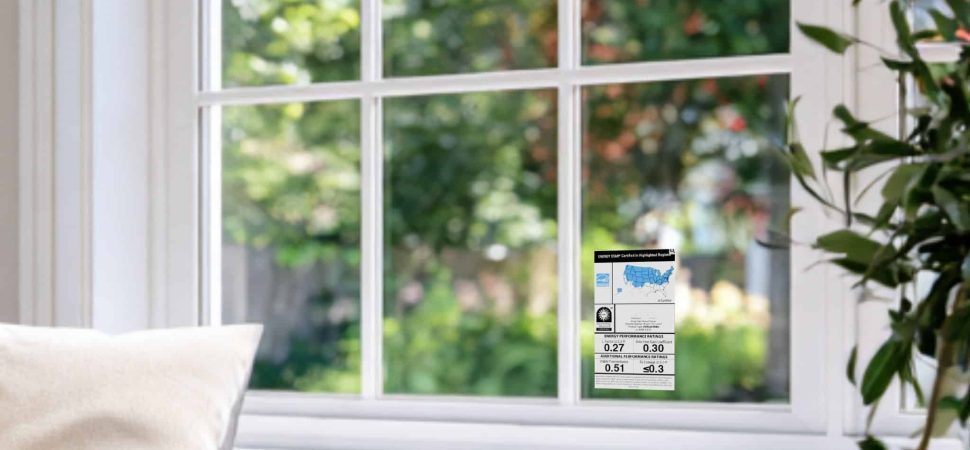
If you have ever stared at a window energy label and thought, “Cool, I recognize some letters, but none of this feels like English,” you are definitely not alone. Between U-Factor, SHGC, VT, air leakage, condensation resistance, and NFRC ratings, shopping for replacement windows can feel like trying to decode a cereal box written by a building science professor. The good news? Once you know what these numbers mean, choosing energy-efficient windows for your home in Minneapolis, Minnesota gets a whole lot easier. And yes, it can help with comfort, drafts, and saving money on energy bills during those famous Twin Cities winters that seem to have a personal grudge against your thermostat.
Table of Contents
- What Is a Window Energy Label and Why Should Minneapolis Homeowners Care?
- What Is U-Factor on Window Energy Labels?
- What Is SHGC and How Does It Affect Energy Efficiency?
- What Are NFRC Ratings and Why Do They Matter?
- How Do VT, Air Leakage, and Condensation Ratings Work?
- How Often Should You Replace Your Windows in Minneapolis, Minnesota?
- Triple Pane Windows Benefits for Minneapolis Homes
- Made in the USA Windows: Why That Matters Locally
- What Makes Window Depot USA of Twin Cities in Minneapolis, Minnesota Better Than the Rest?
- FAQ: Window Energy Labels and Replacement Windows in Minneapolis
- Ready to Compare Energy-Efficient Replacement Windows Near You?
What Is a Window Energy Label and Why Should Minneapolis Homeowners Care?
A window energy label is the little sticker that tells you how a product performs. Think of it like the nutrition label on a bag of chips, except instead of admitting how many servings you actually ate, it tells you how well a window keeps heat in, blocks unwanted solar heat, lets in daylight, resists air leakage, and helps control condensation.
For homeowners in Minneapolis, Minnesota, these labels matter because our climate does not play around. One week you are enjoying fall colors around Lake Harriet, and the next week you are wondering why your living room feels like a walk-in freezer. Energy efficiency is not just a nice bonus here. It is a big part of keeping your home comfortable and saving money on energy bills.
The most common label you will see is from the National Fenestration Rating Council, better known as the NFRC. The NFRC is an independent nonprofit organization that tests and certifies the energy performance of windows, doors, and skylights. In plain English, they help homeowners compare products using standardized numbers instead of vague claims like “super efficient” or “premium comfort technology,” which sound impressive but do not always tell you much.
According to the U.S. Department of Energy, heat gain and heat loss through windows are responsible for 25% to 30% of residential heating and cooling energy use. That is a big chunk of your utility bill sneaking out through the glass. If your current windows are older, drafty, foggy, or just not built for Minnesota weather, understanding the energy label can help you make a smarter decision.
The trick is knowing which ratings matter most for local window replacement in the Twin Cities. A window that performs well in Arizona may not be the best fit in Minneapolis. Here, winter insulating performance often takes center stage, but summer heat control and natural light still matter too. Basically, you want a window that can handle January without making your home feel like a cave in July.
That is where U-Factor, SHGC, and NFRC ratings come into the picture. These are the heavy hitters on the label. Once you can read them, you can compare products with confidence instead of nodding politely while secretly wondering if SHGC is a government agency, a college entrance exam, or a robot from a sci-fi movie.
At Window Depot USA of Twin Cities, we talk with homeowners every day who want better comfort, better curb appeal, and real energy efficiency without needing a degree in building science. So let’s break it down simply, locally, and with as little alphabet soup as possible.
By the end of this guide, you will know what those numbers mean, which ones matter most in Minneapolis, Minnesota, and how to choose replacement windows near you that actually fit your home, your budget, and your climate.

What Is U-Factor on Window Energy Labels?
U-Factor measures how well a window prevents heat from escaping your home. In Minneapolis terms, it tells you how good the window is at keeping your expensive heated air inside where it belongs instead of donating it to the neighborhood.
The lower the U-Factor, the better the insulation. Most residential window U-Factor ratings generally fall somewhere between about 0.20 and 1.20, but energy-efficient replacement windows usually sit on the lower end of that range. If you are comparing two products and one has a U-Factor of 0.27 while the other is 0.35, the 0.27 product does a better job resisting heat transfer.
For cold climates like Minneapolis, Minnesota, U-Factor is one of the most important ratings to look at. We have long heating seasons, plenty of below-freezing nights, and the occasional day where stepping outside feels like being lightly slapped by an ice cube. A lower U-Factor can help reduce heat loss, improve comfort near the glass, and support saving money on energy bills.
Why Does a Lower U-Factor Matter for Energy Efficiency?
When a window has a lower U-Factor, it slows the movement of heat. That matters in winter because warm indoor air naturally wants to move toward cold outdoor air. Poorly insulated windows make that process easier, which is why rooms with old windows can feel chilly even when the furnace is working overtime.
Better insulating windows can help reduce drafts, cold spots, and that unfortunate “I need three blankets to watch TV” situation. They can also help your HVAC system work more efficiently because it does not have to fight as hard to maintain a steady temperature.
U-Factor includes the full window assembly, not just the glass. That means the rating accounts for the frame, spacers, glass package, and overall design. This is important because a beautiful-looking window with weak insulating performance may still leave you uncomfortable during a Minnesota cold snap.
What U-Factor Should You Look for in Minneapolis?
In the Twin Cities, you generally want a low U-Factor. The exact number depends on your home, product type, budget, and performance goals, but cold-climate homeowners should prioritize insulation first. This is especially true if you have older wood windows, aluminum frames, single-pane glass, or double-pane units that have lost their seal.
If you are shopping for local window replacement near you, ask the installer to show you the NFRC label and explain the U-Factor for each option. A trustworthy company should be able to explain it in plain language, not disappear into jargon like they are narrating a spaceship manual.
What Is SHGC and How Does It Affect Energy Efficiency?
SHGC stands for Solar Heat Gain Coefficient. It measures how much solar heat passes through the window and into your home. The rating is shown as a number between 0 and 1. The lower the SHGC, the less solar heat comes in. The higher the SHGC, the more solar warmth enters your home.
This one can be a little tricky in Minneapolis because we have both cold winters and warm, humid summers. In January, a little solar heat can feel like a gift from the heavens. In July, that same west-facing sunbeam can make your living room feel like a greenhouse with throw pillows.
For energy efficiency, the right SHGC depends on the direction your windows face, how much shade your home gets, and how your rooms feel throughout the year. South-facing windows may benefit from some passive solar heat in winter, especially if there are overhangs or trees that help shade the glass in summer. West-facing windows often need better solar control because late-afternoon sun can be intense and uncomfortable.
Is a Low SHGC Always Better?
Not always. A low SHGC can help reduce cooling costs and keep rooms more comfortable during hot summer afternoons. But in colder climates, homeowners may not want to block every bit of solar warmth, especially on sunny winter days.
The best answer is balance. Minneapolis homeowners usually need windows that insulate very well and manage solar heat intelligently. That is where glass coatings, gas fills, pane count, and frame design all work together.
Low-E glass is a common feature that helps control heat movement. Depending on the type of coating, Low-E glass can reflect indoor heat back into the home during winter and reduce unwanted solar heat during summer. If that sounds like magic, it is not. It is science. But honestly, it feels a little magical when your house is more comfortable.
How SHGC Helps with Saving Money on Energy Bills
Choosing the right SHGC can help reduce the load on your air conditioner in summer and support better temperature control year-round. If certain rooms in your Minneapolis home overheat in the afternoon, a lower SHGC may help. If you have rooms that stay cold and receive winter sun, you may want to evaluate options carefully instead of automatically choosing the lowest number available.
This is why working with a local expert matters. Window Depot USA of Twin Cities understands our region’s climate, home styles, and seasonal extremes. A recommendation for a shaded bungalow in Nokomis may not be the same as a sun-exposed two-story home in Plymouth or a modern build in Northeast Minneapolis.
What Are NFRC Ratings and Why Do They Matter?
NFRC ratings are standardized performance ratings created by the National Fenestration Rating Council. They allow homeowners to compare windows and doors based on tested performance rather than marketing claims.
The NFRC label is especially useful because it compares total product performance. That includes the frame and glass together. This matters because two products with similar glass can perform differently depending on frame material, spacers, construction quality, and installation.
On a typical NFRC label, you may see ratings for U-Factor, Solar Heat Gain Coefficient, Visible Transmittance, Air Leakage, and Condensation Resistance. Not every product label looks exactly the same, but these are the big categories most homeowners should know.
How Are NFRC Ratings Different from ENERGY STAR?
NFRC and ENERGY STAR are related, but they are not the same thing. NFRC provides the independent test ratings. ENERGY STAR uses performance criteria based on climate zones to identify products that meet energy efficiency guidelines.
In other words, NFRC gives you the report card. ENERGY STAR tells you whether the product meets certain efficiency standards for your region. Both are useful, but the NFRC label gives you the detailed numbers you need for real comparisons.
When comparing replacement windows in Minneapolis, Minnesota, look for products that are appropriate for the Northern climate zone. A window that qualifies in a warmer region may not deliver the insulating performance you want during long Minnesota winters.
Why Local Window Replacement Experts Should Explain NFRC Labels
Here is a simple rule: if a salesperson cannot explain the NFRC label clearly, that is a red flag. You should not have to smile and pretend you understood after hearing five minutes of technical fog.
A good local window replacement company should walk you through the label, explain how each rating affects your home, and connect the numbers to real-life comfort. For example: lower U-Factor means better heat retention. SHGC affects how much sun heat enters. Air leakage matters for drafts. Visible Transmittance affects daylight.
Numbers matter, but context matters more. The best window for your neighbor may not be the best window for you. Your home’s age, orientation, insulation, shade, and existing window condition all play a role.
How Do VT, Air Leakage, and Condensation Ratings Work?
U-Factor and SHGC get most of the attention, but the other NFRC ratings are worth understanding too. They may not be as famous, but they still affect comfort, energy efficiency, and everyday use.
What Is Visible Transmittance?
Visible Transmittance, or VT, measures how much visible light passes through the window. The rating is usually shown between 0 and 1. A higher VT means more daylight enters your home.
This matters because nobody wants a home that feels like a cave unless you are specifically going for “moody medieval castle,” and even then, heating costs might be rough. In Minneapolis, natural light is especially valuable during shorter winter days. A window with good VT can help brighten your home without sacrificing too much energy performance.
However, more light is not always better if it comes with too much heat or glare. The ideal balance depends on where the window is located and how the room is used. Bedrooms, home offices, and south- or west-facing living spaces may all need slightly different solutions.
What Is Air Leakage on a Window Energy Label?
Air Leakage measures how much air passes through the window assembly. Lower numbers are better because they mean less air infiltration. If you have ever sat near an old window in February and felt a mysterious breeze even though everything is closed, air leakage was probably part of the problem.
Drafty windows can make a room uncomfortable and may force your heating system to run more often. If your home has inconsistent temperatures, cold spots, or curtains that move slightly when the wind blows, it may be time to consider replacement windows.
Air Leakage is one of those ratings homeowners forget to ask about, but in a windy winter climate like Minneapolis, it can make a noticeable difference.
What Is Condensation Resistance?
Condensation Resistance measures how well a window resists moisture buildup on the interior surface. Higher numbers are better. This rating is helpful in cold climates because condensation often appears when warm indoor air meets a cold glass surface.
Some condensation can be related to indoor humidity levels, not just the window itself. Cooking, showers, humidifiers, and even a house full of people breathing through a holiday party can raise indoor moisture. Still, better-performing windows often help keep interior glass surfaces warmer, reducing the chance of condensation.
If your windows are foggy between the panes, that is different. Fog between panes usually means the seal has failed, and the insulating gas may have escaped. At that point, cleaning the glass will not fix it, no matter how determined you are with paper towels.
How Often Should You Replace Your Windows in Minneapolis, Minnesota?
Most quality windows can last 15 to 30 years, depending on the material, installation quality, maintenance, and exposure to weather. In Minneapolis, Minnesota, our freeze-thaw cycles, snow, ice, wind, summer humidity, and temperature swings can be tough on a home’s exterior components.
If your windows are older than 20 years, it is worth taking a closer look at their performance. That does not mean you automatically need to replace every window tomorrow morning. But it does mean you should check for drafts, condensation between panes, damaged frames, sticky operation, and rising energy bills.
According to ENERGY STAR, replacing old windows with ENERGY STAR certified models can lower household energy bills by an average of $101 to $583 per year when replacing single-pane windows. Actual savings vary by home, climate, utility rates, and product choice, but the potential is real.
What Are Signs You Need New Windows in Minneapolis?
Signs it may be time for new windows include noticeable drafts, fog between glass panes, cracked frames, soft or rotting wood, windows that will not open or lock properly, and rooms that are consistently too hot or too cold.
You may also notice outside noise becoming more noticeable, especially if you live near a busy Twin Cities road, school, airport route, or lively neighborhood where someone owns both a leaf blower and no sense of timing.
Another sign is comfort imbalance. If the thermostat says your home is 70 degrees but your sofa near the window feels like an ice fishing shelter, your windows may not be performing well.
How Do Energy Labels Help You Decide When to Replace Windows?
Energy labels help you compare what you have now with what is available today. Older windows may lack advanced Low-E coatings, warm-edge spacers, argon or krypton gas fills, improved frames, and modern multi-pane glass packages.
If you are evaluating replacement windows near you, ask for energy performance ratings before you decide. The label can help you see whether an upgrade is mostly cosmetic or whether it offers measurable improvements in energy efficiency.
A window project is an investment, so it should do more than look pretty from the curb. It should help your home feel better every day, especially during Minnesota’s “why is my car door frozen shut again?” season.
Triple Pane Windows Benefits for Minneapolis Homes
When homeowners ask us what performs well in a cold climate, triple pane windows often come up quickly. Triple pane glass includes three panes of glass instead of two, creating additional insulating space and improving overall thermal performance.
For Minneapolis homes, that extra pane can make a real difference. Better insulation can mean warmer interior glass surfaces, fewer cold drafts, improved comfort near windows, and potentially better energy efficiency. If you have large picture windows, bay windows, or rooms with lots of glass, this can be especially noticeable.
Triple pane options can also help reduce outside noise. That is a nice bonus if you live near traffic, construction, barking dogs, or that one neighbor who believes Saturday morning is the spiritual time for power tools.
Are Triple Pane Windows Worth It in Minneapolis, Minnesota?
In many Twin Cities homes, triple pane windows are absolutely worth considering because of our long heating season and cold winter conditions. The added insulation can improve comfort and help reduce heat loss. They are especially appealing for homeowners who plan to stay in their home long-term and want a stronger efficiency upgrade.
That said, the best choice depends on your goals, budget, and home. Some homeowners may be well-served by high-performance double pane windows. Others may benefit from upgrading to triple pane glass, especially in drafty rooms, north-facing areas, or homes with older, inefficient units.
The important thing is to compare NFRC ratings instead of assuming pane count tells the whole story. Not all triple pane products are identical. Look at U-Factor, SHGC, Air Leakage, and overall construction quality.
How Triple Pane Windows Support Saving Money on Energy Bills
Because triple pane windows can reduce heat transfer, they may help your heating and cooling system operate more efficiently. In winter, they help keep warm air inside. In summer, when paired with the right coatings, they can help reduce unwanted heat gain.
Comfort is also a major benefit. Sometimes saving money on energy bills is only part of the story. Being able to sit by the window in January without wearing wool socks, slippers, and your emotional support blanket is worth something too.
Made in the USA Windows: Why That Matters Locally
Made in the USA windows matter because quality, availability, and accountability matter. When products are manufactured domestically, homeowners may benefit from stronger supply chain reliability, consistent product standards, and support for American jobs.
For local homeowners in Minneapolis, Minnesota, this can also mean products designed with American climate zones and building expectations in mind. Our region requires windows that can handle deep cold, moisture, wind, bright summer sun, and big seasonal swings. This is not the place for flimsy products that look nice in a brochure but panic the first time the temperature drops below zero.
Why Should Local Homeowners Ask Where Their Windows Are Made?
Asking where your windows are made helps you understand the product’s quality path, warranty support, and availability. If replacement parts or service are needed later, it is helpful to know you are working with a company connected to dependable manufacturing and support systems.
It is also fair to want your home improvement dollars to support domestic manufacturing when possible. Many homeowners appreciate knowing their project supports skilled workers and a product built to perform in real homes, not just showroom displays.
How Made in the USA Products Pair with Local Window Replacement
Local window replacement is about more than ordering glass. It is about matching products to your home, your neighborhood, your climate, and your comfort goals. Made in the USA products paired with experienced local installation can give homeowners confidence from consultation through completion.
The window label tells you the performance numbers. The installer helps make sure that performance translates into your actual house. Because even the best-rated window can underperform if it is installed poorly. Think of it like buying expensive winter boots and then wearing them untied in a snowbank. The product matters, but so does the execution.
What Makes Window Depot USA of Twin Cities in Minneapolis, Minnesota Better Than the Rest?
Window Depot USA of Twin Cities brings national buying power together with local service. That means homeowners get access to high-quality products, strong value, and a team that understands what homes in the Twin Cities actually need.
We are not guessing about Minnesota weather. We live with it too. We know the difference between a window that looks good on paper and one that makes sense for Minneapolis, St. Paul, Bloomington, Maple Grove, Eden Prairie, and surrounding communities. Local knowledge matters when you are choosing products for harsh winters, humid summers, and everything in between.
How Does Window Depot USA of Twin Cities Help You Compare Energy Labels?
We help homeowners read the labels, compare performance ratings, and understand what those numbers mean in everyday life. Our goal is not to bury you in technical terms. It is to help you make a confident decision.
If you want maximum energy efficiency, we can walk you through U-Factor, SHGC, glass options, frame choices, and installation details. If your main goal is saving money on energy bills without overspending, we can help you compare options that balance performance and value.
We also understand that not every home needs the exact same product in every opening. A sunny west-facing room may need different solar control than a shaded north-facing bedroom. A large living room picture window may benefit from a different glass package than a small bathroom window.
Why Choose Local Window Replacement Near You?
Choosing a local window replacement company near you gives you access to people who understand local codes, local climate, and local housing styles. Minneapolis has everything from classic older homes with character-filled trim to newer suburban builds with large glass areas. Each home has its own needs.
Working with Window Depot USA of Twin Cities also means you can ask real questions and get practical answers. No pressure. No confusing sales theater. Just straightforward guidance from people who know what it is like when the weather app says “feels like -12” and somehow has the nerve to call it “mostly sunny.”
FAQ: Window Energy Labels and Replacement Windows in Minneapolis
How do I read a window energy label in Minneapolis, Minnesota?
Start with U-Factor, SHGC, and the NFRC certification. For Minneapolis, prioritize a low U-Factor for better winter insulation, then compare SHGC based on sun exposure and room comfort.
What U-Factor is best for replacement windows in Minneapolis?
A lower U-Factor is better for cold climates. Minneapolis homeowners should look for energy-efficient windows with strong insulating performance, especially for drafty or north-facing rooms.
Is SHGC important for homes in Minnesota?
Yes. SHGC affects how much solar heat enters your home. In Minnesota, the best SHGC depends on window direction, shade, and whether a room overheats in summer or benefits from winter sun.
Are NFRC ratings the same as ENERGY STAR ratings?
No. NFRC ratings provide tested performance numbers. ENERGY STAR identifies products that meet efficiency guidelines for specific climate zones. Both are helpful when comparing windows.
Do triple pane windows make sense in the Twin Cities?
Yes, triple pane windows can be a smart choice for Twin Cities homes because they offer added insulation, improved comfort, and better resistance to heat loss during long winters.
Can new windows help with saving money on energy bills?
Yes, energy-efficient replacement windows can help reduce heat loss and air leakage. Actual savings depend on your home, existing windows, installation quality, and selected products.
How often should I replace windows in Minneapolis, Minnesota?
Many windows last 15 to 30 years, but Minnesota weather can shorten performance life. If you notice drafts, foggy glass, damaged frames, or rising bills, it may be time to replace them.
What should I ask a local window company near me?
Ask about NFRC ratings, U-Factor, SHGC, installation methods, warranty coverage, product origin, and whether the recommended windows are appropriate for Minneapolis weather.
Ready to Compare Energy-Efficient Replacement Windows Near You?
Reading a window energy label is not as intimidating once you know what the numbers mean. U-Factor tells you how well the window keeps heat inside. SHGC tells you how much solar heat comes through. NFRC ratings give you a standardized way to compare products instead of relying on vague promises.
For Minneapolis, Minnesota homeowners, energy efficiency is about more than checking a box. It is about staying comfortable during cold winters, managing summer heat, reducing drafts, improving curb appeal, and saving money on energy bills where possible.
If you are unsure which ratings matter most for your home, Window Depot USA of Twin Cities can help you compare options and choose replacement windows that make sense for your climate, budget, and goals. Whether you are interested in double pane performance, triple pane upgrades, Made in the USA products, or whole-home window replacement, our local team is here to make the process simple.
Contact Window Depot USA of Twin Cities today for your free quote.