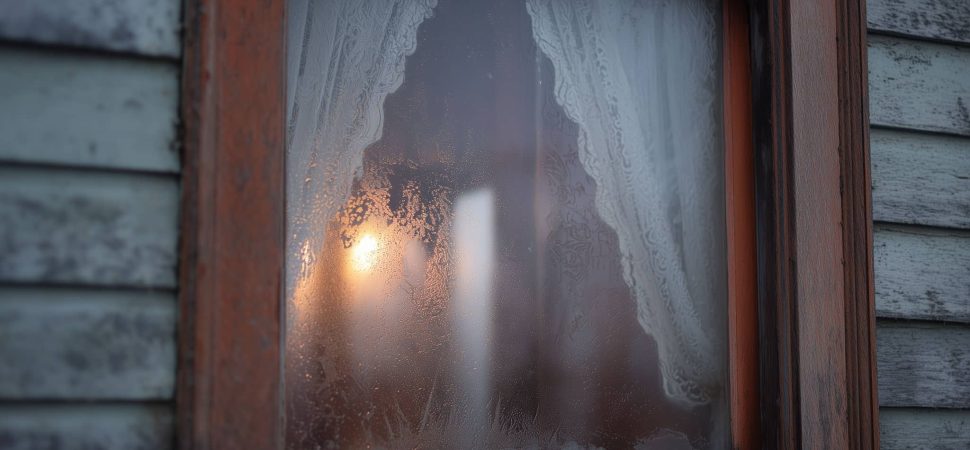
If you live in Minneapolis, you already know: winter doesn’t just “come,” it attacks. It sneaks in through every gap, crack, and tired old window in your house. One day your home feels cozy, the next you’re standing by the glass wondering if you accidentally left a window open… or if your windows are just flat-out failing.
Table of Contents
- What Are Signs You Need New Windows in Minneapolis?
- How Do Window Leaks Start in Minneapolis Winters?
- Why Does Window Mold Show Up More in Cold Weather?
- What Does Window Fogging Really Mean?
- What Does Ice Damming Have to Do With Your Windows?
- How Often Should You Replace Your Windows in Minneapolis?
- Triple Pane Windows Benefits for Minneapolis Homes
- Made in the USA Windows: Why That Matters in Minneapolis
- Things to Look for When Choosing Where to Buy New Windows Near You
- FAQ: Minneapolis Winter Window Problems
- Get Help From Window Depot USA of Twin Cities
What Are Signs You Need New Windows in Minneapolis?
When it’s below zero and the wind is howling off the Mississippi, your home should feel like a warm, quiet retreat. If instead it feels like camping with a thin nylon tent, your windows might be waving the white flag.
Here are some classic “my windows are failing this winter” symptoms Minneapolis homeowners run into all the time:
1. You Feel Drafts – Even When the Window Is Shut
Stand next to your window on a cold day. Do you feel a chill on your face or neck, or a noticeable temperature drop as you approach the glass? That’s not “just how old houses are.” That’s air infiltration.
Drafts usually point to:
-
- Worn-out weatherstripping
- Warped frames that no longer seal tightly
- Single-pane or outdated double-pane glass with poor insulation
If your furnace runs constantly and some rooms never quite feel warm—especially rooms with big windows facing north—you’re paying to heat the outdoors, Minneapolis-style.
2. Your Energy Bills Climb Every Winter (And Never Go Back Down)
Heating costs always bump up in winter, but if you notice your bills trending higher each year—without any big changes in how you live—it might be your windows losing performance over time.
According to the U.S. Department of Energy, heat gain and loss through windows are responsible for 25%–30% of residential heating and cooling energy use. In a cold climate like Minneapolis, that upper range can hit hard when glass and frames are outdated.
Modern energy-efficient options, especially high-performance triple pane windows, are designed specifically to cut that loss way down—without you having to live in a bunker with no natural light.
3. You Have Trouble Opening or Closing Your Windows
Windows that stick, jam, or refuse to lock properly aren’t just annoying—they’re a safety and efficiency issue. In Minneapolis, temperatures swing from -20°F to 95°F, and all that expanding and contracting can slowly warp cheap or older frames.
If you need two hands and a pep talk just to open a sash, or you’re shoving a piece of wood in the track because you don’t trust the lock, that’s a sign your window system is past its prime.
4. The Area Around Your Windows Always Feels Colder
Do your kids or pets avoid sitting near the glass in winter? Are you decorating with extra blankets in certain rooms because the wall never feels warm?
Cold zones near windows tell you the insulated glass is likely underperforming—or the seal between the glass and the frame has deteriorated. If you can draw an invisible “cold ring” around each unit in your Minneapolis home, it’s time to pay attention.
All of these symptoms are red flags—but some of the worst signs of failing windows are more specific winter issues: window leaks, window mold, window fogging, and even ice damming along your roofline.

How Do Window Leaks Start in Minneapolis Winters?
When people think about window leaks, they picture rain pouring in during a storm. In reality, leaks are often sneakier—especially in a freeze–thaw climate like Minneapolis, Minnesota.
Common Causes of Window Leaks in Cold Weather
Here’s what tends to cause wintertime window leaks around the Twin Cities:
- Failed caulking or sealant – Over time, caulk dries out, cracks, or separates from siding and frames, letting meltwater slip in.
- Improper flashing – If your original window installation wasn’t done correctly, water can sneak behind the trim and into the wall.
- Ice buildup around the frame – Snow against the exterior sill can melt during the day, refreeze at night, and slowly force gaps open.
Watch for these signs of winter leaks:
- Staining or bubbling paint around the window
- Soft, swollen, or warped trim or sill
- A musty smell near the wall, especially after heavy snow or thaw
In Minneapolis, these problems can escalate quickly because we don’t just get snow—we get snow that melts, refreezes, melts again, and then rains in January just to keep you guessing.
Why Window Leaks Are More Than a Nuisance
Once water finds its way in, it doesn’t politely stay on the surface. It can seep into insulation, wood framing, and drywall. That’s when you start inviting another winter visitor you really don’t want: window mold.
Why Does Window Mold Show Up More in Cold Weather?
If you’ve ever noticed black or dark greenish spots forming around the corners of your windows, especially along the sill or lower sash, you’re probably looking at mold or mildew growth.
Why Mold Loves Minneapolis Winters
Mold needs three things: moisture, a food source (like wood or drywall), and the right temperatures. Unfortunately, older or failing windows supply all three:
- Condensation or leaks provide constant moisture.
- Wood or cellulose-based trim and sills act as food.
- Indoor temps are cozy enough for mold to thrive even while it’s freezing outside.
Cold glass can worsen the problem. Indoor humidity hits that cold surface, condenses into droplets, and runs down into joints and corners. If your paint is peeling, chipping, or feels soft near the corners, that moisture may have been there longer than you think.
Health and Structural Concerns With Window Mold
Window mold isn’t just a cosmetic issue:
- It can aggravate allergies and asthma.
- It may spread silently behind trim and drywall.
- It’s a strong indicator your windows are letting in more moisture than they should.
Cleaning surface mold can buy you a little time, but if it keeps coming back each winter, that’s your sign: the underlying moisture problem is still there, and your windows may be part of the problem—not the solution.
What Does Window Fogging Really Mean?
Foggy glass is one of the most misunderstood signs of failing windows. Not all fog is bad—but some is a clear (well, cloudy) indication something’s wrong.
Fog on the Inside of the Glass
Condensation on the room side of your glass usually means warm, humid indoor air is hitting a cold surface. In Minneapolis winters, this is very common when:
- You cook a lot without using a vent fan.
- You have lots of plants or a humidifier cranked way up.
- Your home is very tight and doesn’t exchange much air.
Some light condensation for short periods isn’t unusual, especially on bitterly cold days. But if water is constantly dripping down to your sills, that’s when you start dealing with window mold, swelling wood, and damaged finishes.
Fog Between the Panes (The Big Red Flag)
Fog, haze, or visible moisture between the panes of glass is a different story. That usually means the insulated glass unit (IGU) seal has failed. The gas between the panes escapes, moisture seeps in, and the window loses much of its insulating value.
Signs of a failed seal include:
- Persistent cloudy or milky look you can’t wipe off
- Water droplets or streaks trapped inside
- Rainbow-like film or distortion in the glass
Once that seal is gone, the sash or entire unit generally needs replacement. In repeated freeze–thaw cycles like we get in Minneapolis, these failures show up more often and more quickly on lower-quality units.
What Does Ice Damming Have to Do With Your Windows?
At first glance, ice damming sounds like a roof-only problem—something your gutters and shingles have to deal with. But your windows often show the first interior signs that ice dams are forming where you can’t see them.
What Is Ice Damming?
Ice dams happen when heat escapes through your roof and melts the underside of the snowpack. That water runs down toward the eaves, refreezes at the colder roof edge, and slowly builds up a “dam” of ice. Water then backs up under your shingles—and can find its way inside walls and around upper-level windows.
How Ice Damming Affects Your Windows
Look closely at your upper-story walls and windows after a heavy snow or warm spell:
- Are there stains or wet spots above or beside the window?
- Do you see paint bubbling along the top corners?
- Is there unexpected frost or window fogging on upstairs units only?
These may be indirect signs that melting snow is working its way into your exterior walls due to ice damming. While the root cause is usually insulation and attic ventilation, older or poorly installed windows provide easier paths for that moisture to appear inside.
In other words: ice dams may start at the roof, but your windows and walls are where you’ll see the damage show up first.
How Often Should You Replace Your Windows in Minneapolis?
Homeowners in warmer states might get away with stretching their windows a little longer. In Minneapolis, though, our climate is brutal on building materials. We see:
- Extreme cold in winter
- Hot, humid summers
- Frequent freeze–thaw cycles in fall and spring
All of this takes a toll on seals, frames, glass, and hardware.
Typical Window Lifespan in Cold Climates
While exact lifespan depends on materials and quality, a general rule for Minneapolis is:
- Builder-grade vinyl: 15–20 years (often less before noticeable issues).
- Mid-range vinyl or fiberglass: 20–30 years.
- High-quality, well-installed modern windows: 30+ years with proper care.
If your house was built in the 1990s or early 2000s and still has its original units, you may be right in the danger zone now—especially if you’re noticing window leaks, stubborn sashes, or ongoing window fogging.
Age Isn’t Everything—Performance Is
Instead of just asking “How old are my windows?” ask:
- Are they keeping my home comfortable in January and February?
- Are my energy bills reasonable for a Minneapolis winter?
- Am I seeing signs of moisture, rot, or mold around the frames?
- Do they open, close, and lock easily?
If you’re answering “no” to more than one of those—especially in multiple rooms—it might be time to think seriously about local window replacement near you.
Triple Pane Windows Benefits for Minneapolis Homes
In Minnesota, “good enough” windows are often… not good enough. This is exactly why so many Twin Cities homeowners are upgrading to triple pane windows instead of sticking with basic double-pane glass.
Why Triple Pane Matters in a Minneapolis Winter
Triple pane windows add an extra layer of glass and an additional insulating chamber compared to standard double-pane units. That means:
- Better insulation against subzero temps
- Less cold glass radiating into the room
- Reduced risk of condensation and window fogging
- Quieter interiors, especially on busy Minneapolis streets
Think of them like a warm parka for your home instead of a light fall jacket. Both might “work,” but only one feels great standing outside in a blizzard.
Energy Savings and Comfort
Upgrading to high-performance triple pane windows can significantly reduce heat loss through the glass. That means:
- Your furnace doesn’t have to cycle as often.
- Rooms with big glass areas feel comfortable again.
- You’re less likely to see interior condensation and cold drafts.
In a climate like Minneapolis, the payoff of triple pane is more noticeable and comes sooner, simply because your windows work harder and longer in extreme cold.
Made in the USA Windows: Why That Matters in Minneapolis
When you’re staring down another long Minneapolis winter, where your windows are made suddenly matters a lot more than you might think.
Built for American (and Minnesota) Conditions
Made in the USA windows are typically designed and tested for North American building codes and climate conditions. That means:
- They’re rated for real winter performance, not just “mildly chilly.”
- Hardware and materials are optimized for freeze–thaw cycles.
- Replacement parts are easier to source if you ever need service.
For homeowners in Minneapolis, Minnesota, choosing U.S.-made products helps ensure you’re getting units that stand up to snow, wind, and big temperature swings—not just look pretty in a catalog.
Supporting Local Jobs and Service
When you pair American-made windows with a local company like Window Depot USA of Twin Cities, you get two big advantages:
- Better accountability – You’re not dealing with a random overseas supplier if something goes wrong.
- Local expertise – You get recommendations based on what actually performs well in Minneapolis neighborhoods—from Nokomis and Linden Hills to Maple Grove and Woodbury.
It’s not just about patriotism; it’s about getting products built for homes like yours, in a climate like yours, installed by people who live here too.
Things to Look for When Choosing Where to Buy New Windows Near You
Once you decide your windows are failing, the next big question is: who should you trust to replace them? There’s no shortage of options near you—but not all are created equal, especially when it comes to cold-weather performance in Minneapolis.
1. Real Experience With Cold-Climate Installations
Ask any company you’re considering:
-
- How long have you been installing in the Twin Cities specifically?
- What products do you recommend for extreme cold and heavy snow?
- How do you handle insulation and air sealing around the frame?
Proper installation is just as important as the product itself. Even the best windows underperform if they’re not air-sealed and insulated correctly around the edges.
2. Focus on Energy Performance, Not Just Looks
Curb appeal is great—but in Minneapolis, energy performance should be front and center. When you’re comparing options, look for:
-
- Low U-factor (better insulation for cold climates)
- Appropriate Solar Heat Gain Coefficient (SHGC) for your home’s orientation
- The option for high-performance or triple pane windows in key areas
A good local window replacement company will walk you through these numbers and explain how they affect your comfort and bills in winter—not just show you color swatches.
3. Local References and Reviews
Look for:
-
- Reviews from other Minneapolis and Twin Cities homeowners
- Before-and-after photos from houses similar to yours
- Clear warranties on both product and installation
When neighbors mention reduced drafts, lower heating bills, and no more winter condensation issues, that’s a good sign the company knows what it’s doing in this climate.
FAQ: Minneapolis Winter Window Problems
How often should I replace windows in Minneapolis, Minnesota?
Most Minneapolis homeowners start considering replacement around the 20–25 year mark, especially for original builder-grade units. But age isn’t the only factor—if you’re seeing drafts, window leaks, recurring condensation, or mold, it may be time sooner.
Is window condensation normal in a Minneapolis winter?
Light, occasional condensation can be normal on very cold days, especially in kitchens or bathrooms. But constant dripping, puddles on the sill, or visible frost suggest your windows aren’t insulating well or your indoor humidity is too high.
Can new windows help with ice damming?
New windows alone won’t fix roof-level ice damming issues—that usually requires better attic insulation and ventilation. However, properly installed, energy-efficient units can reduce heat loss around openings and help minimize some contributing factors.
Will triple pane windows really make a difference in Minneapolis?
Yes. In a cold-climate city like Minneapolis, triple pane units can noticeably improve comfort near the glass, reduce energy loss, and cut down on condensation compared to basic double-pane units—especially on north-facing and larger openings.
What’s the best time of year to replace windows in Minneapolis?
Spring and fall are popular because the weather is milder, but reputable installers in Minneapolis, Minnesota, can replace windows year-round. If your units are failing badly in winter, you don’t have to suffer through another season of drafts and high bills before taking action.
Get Help From Window Depot USA of Twin Cities
If this winter has turned your home into a draft tunnel, your glass is cloudy, or you’re spotting window mold and suspicious stains, you don’t have to keep guessing what’s wrong—or how to fix it.
As a local company, Window Depot USA of Twin Cities understands exactly what your Minneapolis home is up against each year. We specialize in energy-efficient replacements, including high-performance triple pane windows that are built for serious winters, not just chilly evenings.
We’ll inspect your current units, explain what’s happening (in plain English), and walk you through options that make sense for your budget, your neighborhood, and our climate.
Contact Window Depot USA in Minneapolis, Minnesota today for your free quote.